“When you’re powerful, everyone wants to be your friend.” The comments wrote themselves.
How Chinese Social Media Framed It
France just did something quietly historic — and Chinese social media made it anything but quiet.
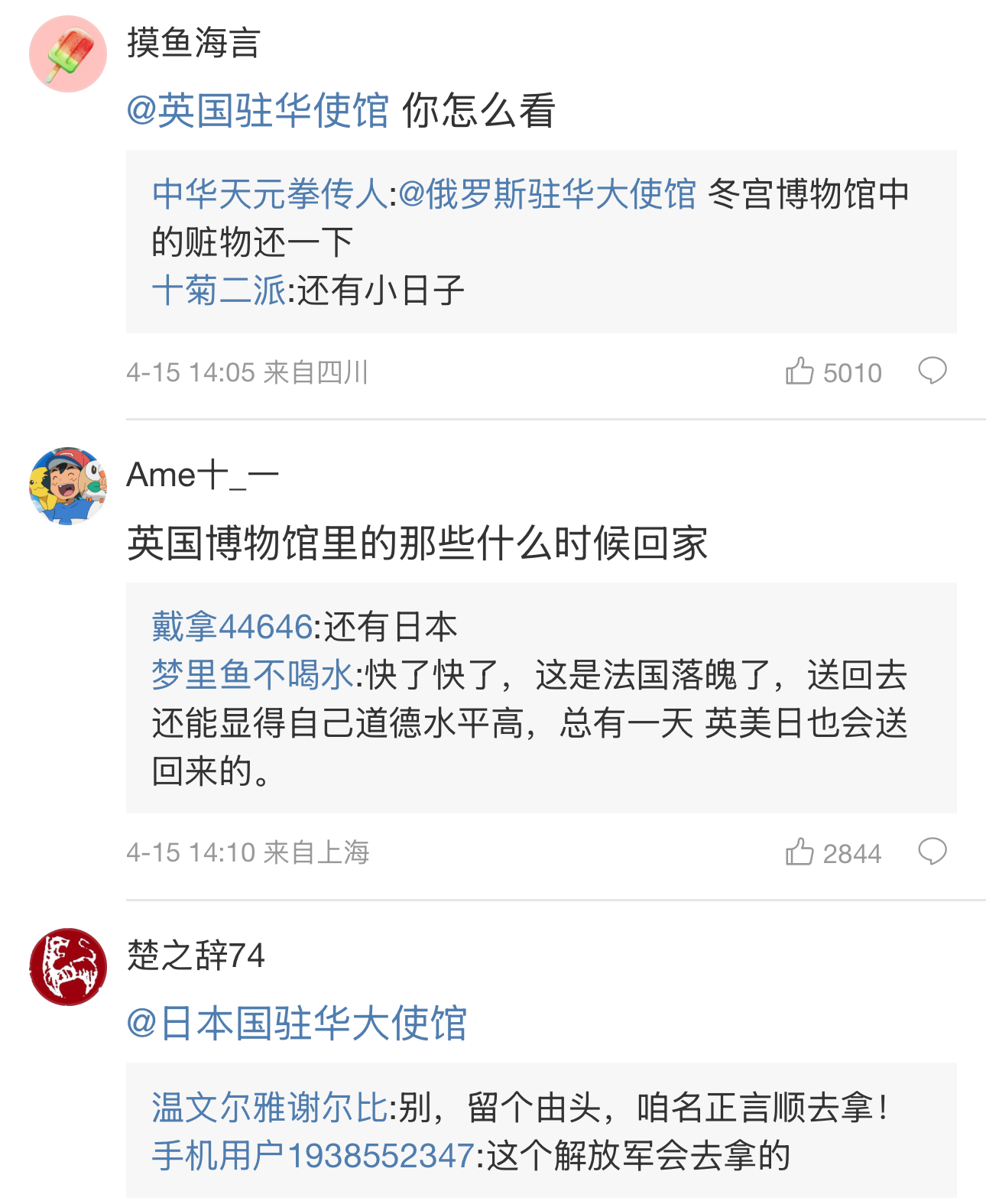
The most-shared reaction wasn’t surprise or outrage. It was something more knowing:
“When you’re strong, suddenly everyone’s your friend.”

“France, what a great nation.”

“Nice. Now let’s talk about the UK and Japan.”
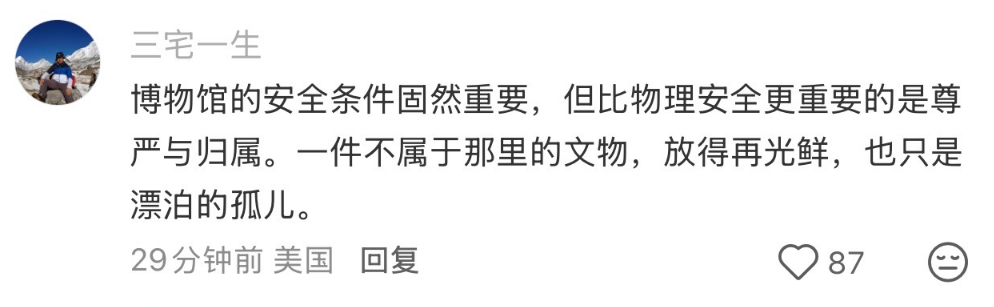
“Museum security matters, of course — but dignity and belonging matter even more.”
What Actually Happened
On April 13th, the French National Assembly passed a landmark bill 170 votes to 0 (yes, zero opposition) to simplify the restitution of cultural artifacts looted during the colonial era.
A French lawmaker even quoted Victor Hugo during the debate — specifically Hugo’s famous line expressing hope that France would one day return to China the treasures taken from it. Which is a wild thing to cite in a parliament, and also kind of beautiful.

What the Law Actually Does (And Doesn’t Do)
Let’s be precise here, because the framing matters.
This is not a law specifically targeting the return of Chinese artifacts. It’s a broad framework — think of it as a door being opened rather than objects already in transit. What it does:
-
Creates a streamlined legal path for restitution (previously, France had to pass individual laws for each return)
-
Covers property acquired between 1815–1972
-
Requires France to publish inventories of suspected illegally-obtained artifacts
-
Gives source countries a clearer procedure to file restitution claims
France has already made some moves in this direction — most notably returning ceremonial drums to Côte d’Ivoire that were taken during the colonial period. This law essentially institutionalizes that approach rather than leaving it case-by-case.
So: symbolic? Absolutely. A solved problem? Not yet. More like the rules of the game just changed.
Why This Hit Different
For a long time, European institutions treated colonial-era artifact restitution as something requiring extraordinary effort — a separate legal process for every single object, dragged out over years or decades. France just said: let’s build a system instead.
That’s a meaningful shift. And in the context of Chinese historical memory — where the Yuanmingyuan looting of 1860 remains a visceral national reference point, taught in schools and present in pop culture — any movement on this front carries enormous emotional weight.
The question Chinese netizens are really sitting with isn’t “will we get the artifacts back?” It’s something bigger: when a country becomes impossible to ignore, does history start to get taken seriously?