A calm, practical winter survival checklist inspired by U.S. emergencies and traditional Chinese cold-weather wisdom
Winter Storm Reality in the U.S.
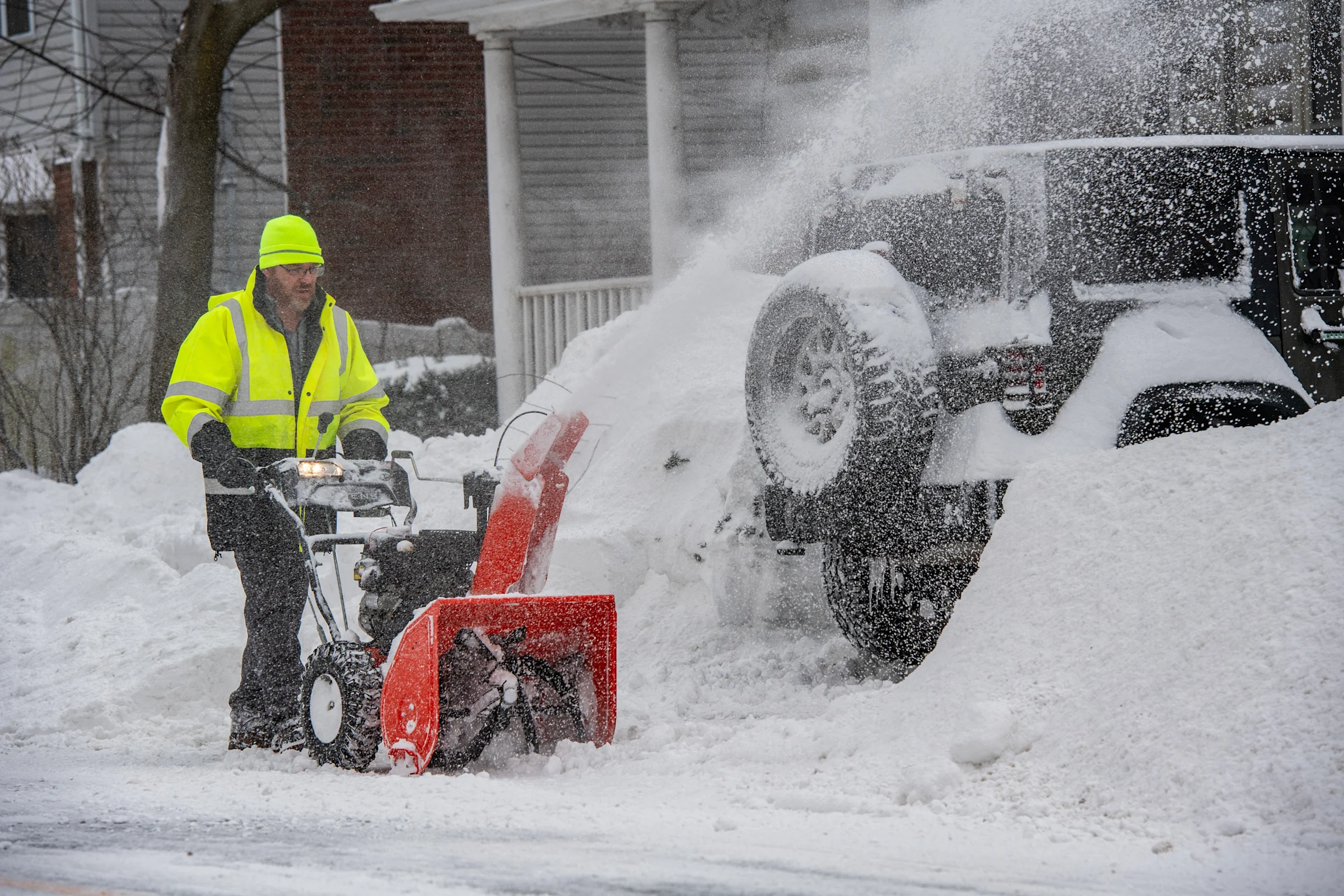
As of late January, large areas of the United States are still recovering from one of the most severe winter storm events in recent years. While snowfall has eased in many regions, the real danger has shifted to extreme cold, black ice, power outages, and secondary emergencies.
Source:https://www.yahoo.com/news/
Hundreds of thousands of households—especially in the South and Midwest—have experienced multi-day power outages. Transportation systems remain disrupted, and carbon monoxide poisoning, hypothermia, and traffic accidents have been reported as leading causes of storm-related fatalities .
Meteorologists are also tracking new winter systems, meaning recovery and preparation are happening at the same time. This is exactly when accidents occur—not during the storm itself, but after people underestimate lingering risks like refreezing roads, indoor heating hazards, and exhaustion.
Winter storms are not just weather events. They are system-level stress tests for homes, infrastructure, and daily decision-making.
| Region | Current Condition (January 27) | Primary Hazard |
|---|---|---|
| South (TX, MS, TN) | Recovery / Frozen Conditions | Electrical service disruptions, Icy road conditions, Arboricultural damage |
| Northeast / Mid-Atlantic | Clearing / Extremely Cold | Severe cold, Wind chill factor, Potential for weekend storm |
| Plains / Midwest | Cold / Arid | Sub-zero temperatures |
Chinese Traditional Winter Wisdom
China has dealt with extreme cold, snowstorms, and long winters for centuries, often without modern heating systems. Over time, practical survival wisdom developed—not folklore, but low-tech, high-reliability methods that are still relevant today.
Below are Chinese traditional or region-specific practices, translated and adapted to be useful for U.S. households.
“Warm Base” Living (猫冬 Concept – Staying Put on Purpose)
In Northeast China, there is a traditional winter concept called “猫冬”—literally “curling up for winter.” It doesn’t mean doing nothing; it means intentionally reducing exposure and conserving energy.
Modern U.S. application:
-
Choose one small room as your main living area during outages
-
Close doors, block drafts with blankets or towels
-
Sleep, eat, and rest in the same warm zone
This reduces heat loss dramatically and lowers the risk of hypothermia during long outages .
Layering as a System (Not Just Wearing More Clothes)
Chinese cold-weather practice emphasizes the three-layer system:
-
Inner layer: moisture-wicking (not cotton)
-
Middle layer: insulation (fleece, wool)
-
Outer layer: wind & water protection
This is used both indoors and outdoors, especially during power failures.
“Penguin Walking” for Ice Safety (企鹅步)
Chinese winter safety education strongly promotes a technique called “penguin walking”:
-
Small steps
-
Feet slightly outward
-
Knees slightly bent
-
Arms free for balance
This simple walking method significantly reduces fall injuries on ice and black ice—one of the top causes of emergency room visits during U.S. winter storms.
This technique is especially helpful for:
-
Seniors
-
Children
-
Anyone walking on untreated sidewalks or parking lots .
Food as Thermal Protection (High-Energy, Warm Foods)
Traditional Chinese winter diets focus on warm, high-calorie, easy-to-digest foods:
-
Soups and stews
-
Grains, root vegetables
-
Warm drinks
During cold exposure, your body burns energy faster. Warm food is not comfort—it is fuel for body heat, especially during outages or limited mobility.
Low-Tech Emergency Mindset
One recurring theme in Chinese rural and northern regions is “use what you already have”:
-
Blankets for insulation
-
Plastic sheets or fabric to block wind
-
Straw, cardboard, or layered materials for thermal buffering
This mindset is crucial when modern systems fail. It shifts thinking from “What do I buy?” to “What can I adapt right now?” .
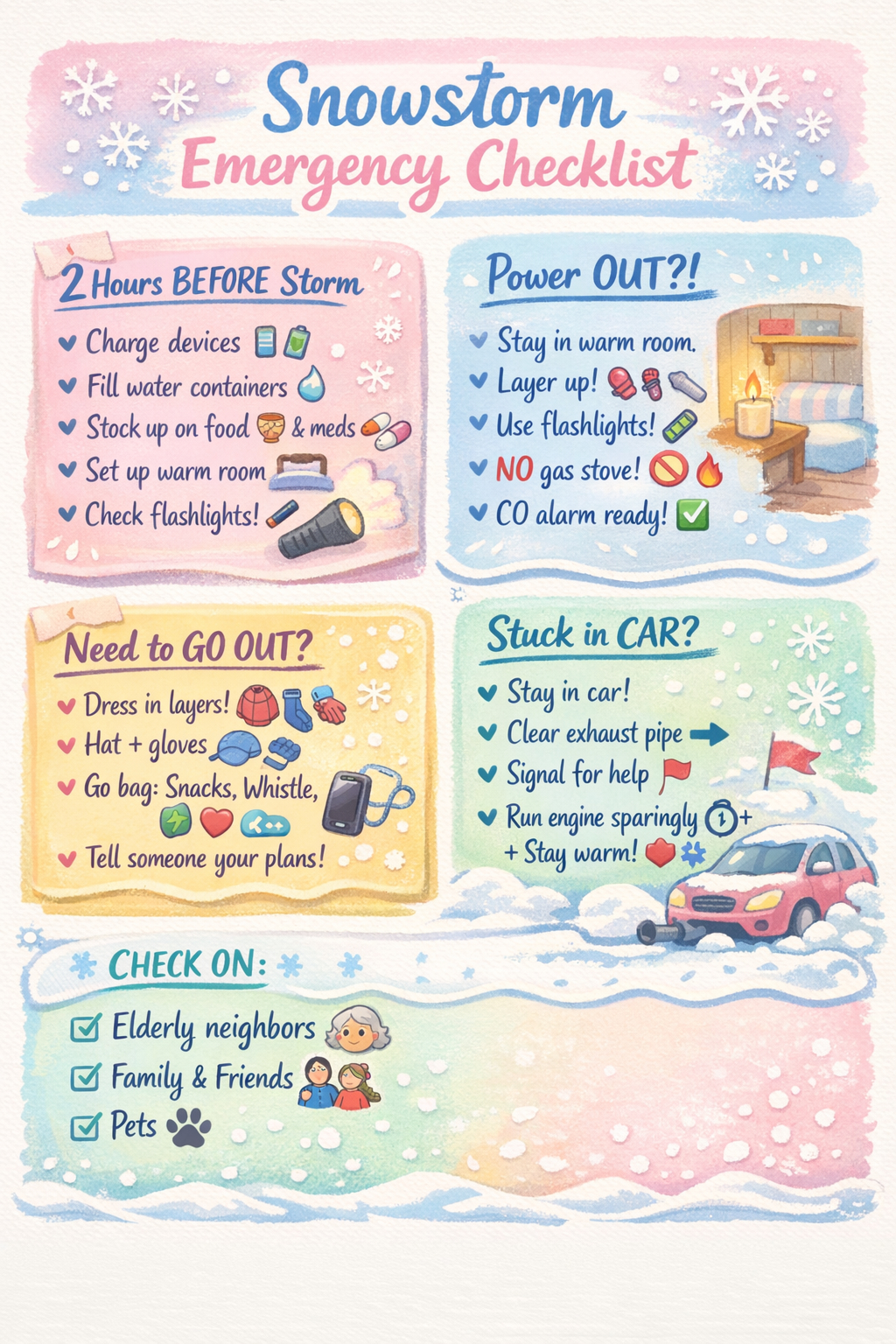
Snowstorm Emergency Checklist
Final Note
Stay warm. Stay alert. Stay safe.
Origen:
-
Winter storm deaths rise and power outages linger as bitter cold grips the eastern U.S. | PBS News
-
Entergy January winter storm update – 1/27/2026, 4 p.m. - Entergy
-
January 23–27, 2026 North American winter storm - Wikipedia .
-
Live Tracker: Winter Storm Fern Triggers a National Winter Emergency
-
https://www.washingtonpost.com/climate-environment/2026/01/27/snow-records-storm/